What It Really Means to ‘Match’: Nike Salami on Securing a U.S. Medical Residency
The U.S. medical residency is one of the most coveted training pathways for doctors around the world. Every year, thousands of applicants, both from within the United States and across different countries, go through a long, demanding process for a chance to secure a spot. It is competitive, expensive, and often unpredictable, requiring academic excellence, […] The post What It Really Means to ‘Match’: Nike Salami on Securing a U.S. Medical Residency appeared first on BellaNaija - Showcasing Africa to the world. Read today!.

The U.S. medical residency is one of the most coveted training pathways for doctors around the world. Every year, thousands of applicants, both from within the United States and across different countries, go through a long, demanding process for a chance to secure a spot. It is competitive, expensive, and often unpredictable, requiring academic excellence, strategy, and a bit of luck.
At the centre of it all is what is simply called “the Match”, a system that places applicants into residency programs after months (and often years) of preparation. For many, it represents more than the next step in their careers. It signifies years of studying and sacrifice finally coming together.
For Nigerian doctors and other international medical graduates, the journey can feel even more daunting. From writing multiple licensing exams to securing clinical experience abroad and navigating financial costs, the path is anything but straightforward. But every year, some make it through.
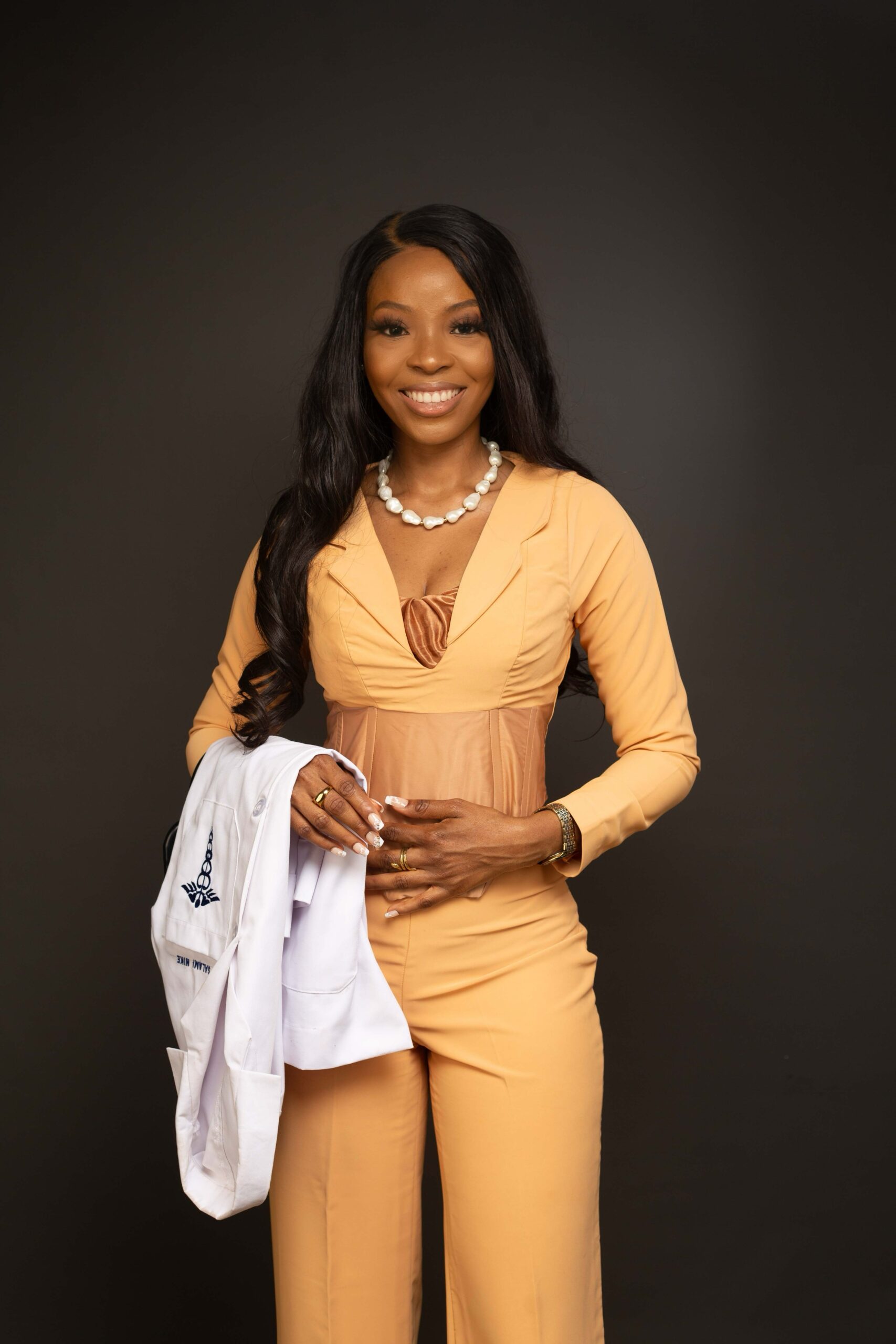
One of them is Nike Salami. In this conversation, she walks us through what the Match really means, what it takes to get there, and what the journey looks like from the inside.

Nike Salami
Congratulations on being “matched” into a US medical residency. How would you describe the significance of the “Match”? What does this moment really mean for your career?
Thank you so much! The Match is honestly a bit hard to explain, but the best way I can describe it is this: it’s the culmination of years of hope, hard work, near-burnout moments, and a lot of faith.
It’s essentially the process of securing a spot to train in the U.S., one of the most competitive medical training systems in the world, alongside applicants from every corner of the globe. When you consider everything involved, including passing exams, gaining clinical experience, getting recommendations, and just staying sane, the odds can feel almost ridiculous.
So matching is way more than just getting a job. It’s a full-circle moment.
At what point did you decide to pursue the U.S. residency route?
I decided to pursue U.S. residency in January 2024, right at the start of my housemanship. At the time, I had just completed a gap year after graduation, interning at the WHO Headquarters in Geneva, Switzerland. I wasn’t sure how it would fit into my journey, but it ended up being a major reason I stood out to program directors because of my unconventional path.
However, I was still figuring things out and procrastinating a bit, so I didn’t properly begin studying until August 2024. I was matched in March 2026, and thankfully, I matched into Psychiatry.
I chose psychiatry because it felt like the best fit for my personality. I’m the default listener in most of my relationships, and I value work-life balance while still being able to nurture my identity as an artist alongside medicine.

Nike Salami
How does one prepare for the application process? Do I have to be a medical practitioner? Can I apply as a medical student?
I won’t lie, the process can feel overwhelming at first. There are three main exams: Step 1, Step 2 CK, and Step 3. For the Match, only Step 1 and Step 2 are required. Step 1 is now pass/fail, so Step 2 CK has become the main score used to assess competitiveness.
But exams are just one part. Many international medical graduates also complete clinical rotations in the U.S. to gain experience and secure letters of recommendation. Some programs require U.S. experience (USCE), but it’s not mandatory. Many applicants complete virtual rotations or rely on strong recommendations from housemanship or other clinical experiences.
You can definitely apply as a medical student or as a graduate. I’m not sure the 300-level version of me would have understood some of these USMLE concepts, but it’s very doable if you’re intentional early on and build alongside your coursework. The key is to maximise your strengths, whether that’s strong scores, research, or clinical exposure.
Also, don’t underestimate networking. LinkedIn, conferences, and even random emails that feel awkward to send can make a difference. I got one of my U.S. rotations by emailing a physician from my hometown, whom I had grown up hearing about, and another through a connection from my WHO experience. You really never know what could open a door.
Nike Salami
For someone starting from scratch, what does the entire application process actually look like, from exams to matching? How did you select which program to apply to? How long did it take you from deciding to apply to finally getting matched?
I’d break the journey into four phases: Exams, Rotations, Application, and Interviews.
For exams, during housemanship, I studied lightly, about 3 hours a day. Afterwards, I took a full career break and wrote all three exams within 9 months. That period was intense, with 12+ hour study days and very few breaks. No social media, no movies, just one episode of Severance a week to stay sane.
Phase I was the toughest because it tested foundational knowledge from years back. The exam rewards understanding over cramming, which worked in my favour due to my style of studying. It’s all about the whys and the hows. It was my first time ever reading a textbook cover to cover, twice!
First Aid truly became the bane of my existence. If I saw a question I couldn’t answer, I would use First Aid. If I stumbled across a concept on Twitter, First Aid. It’s called the Step 1 bible for a reason.
Phase 2 was different. It was more question-based and clinically oriented. I answered nearly 10,000 questions in about 90 days, supported by hours of videos and the Amboss library. It’s a 9-hour exam where multiple answers can seem correct, so it really tests your judgment. When I got my score, 269, around the 94th percentile, it felt like a huge weight lifted.
For rotations, I reached out to nearly 100 physicians. On the surface, it sounds like rejection is the worst that can happen, but honestly, it was the silence that hit harder. Interestingly, I found encouragement in rejections. If they responded, it meant I was on their radar and impressed them enough to respond, and that meant I was getting closer to a yes. Eventually, that persistence paid off, and I secured three rotations in Maryland, Florida, and Mississippi.
Oh congratulations!
Thank you. Then comes the ERAS application. This includes your personal statement, letters of recommendation, exam scores, and experiences submitted to programs. People apply to anywhere between 30 and over 250 programs, depending on strategy and finances.
Choosing programs is very personal. For psychiatry, many programs value genuine interest in the field and cultural fit over scores and publications. I scrolled through years of pictures of their residency classes to check IMG acceptance rates, visa sponsorship, resident profiles, and lifestyle fit. Shout out to Residency Explorer for streamlining some of this data. In the end, I received 14 interviews and matched at my number one program, which still feels surreal!
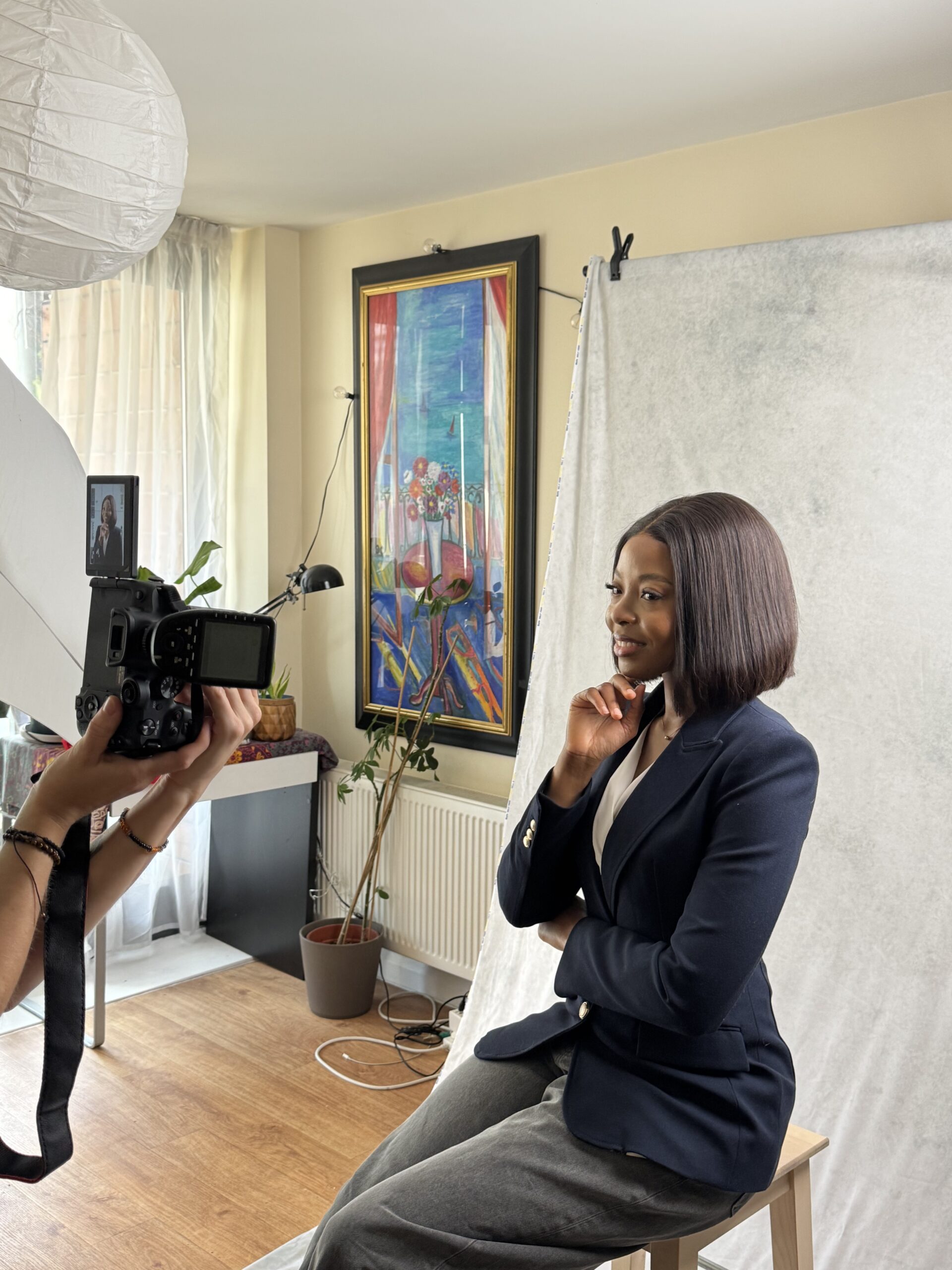
Interviews are where programs can see you beyond your CV. I leaned into my personality. I’m a creative, so I had my paintings behind me during interviews. It sparked conversations, and I believe made me a more memorable applicant.
After interviews, you rank programs, they rank applicants, and the algorithm does its thing.
Nike Salami
What are the real costs involved, and how did you prepare or source the money to apply?
Ah, yes, the costs. The not-so-fun part.
On a minimum scale, here’s a breakdown:
- Step 1, Step 2 & Step 3: $1,000 each
- Credential Verification: $200
- UWorld Qbank (Step 1 & 2, 6 months): $479 × 2
- OET: $455
- ECFMG Certification Application: $925
- ECFMG Pathway Application: $925
- MDCN Letter of Good Standing: $260
- ERAS Token: $165
- NRMP Registration: $70
- USMLE Transcript: $80
- Match Application Fees: $11 per program for the first 30, then about $30 per program after.
That brings the minimum to about $7,000, excluding travel, visas, and rotations. Realistically, you’re looking at $7,000 to $10,000 or more, depending on your path.
I truly couldn’t have done it without my family. My sister, who supported me through everything, has already requested a Chanel bag when I make it. My dad, grandma, uncles, and aunts all contributed in ways that made this possible.
What part of the process was the most challenging (or frustrating), and how did you navigate that phase?
The exams. No competition.
That phase was chaotic in the wildest way possible. I became nocturnal, sleeping from 9 am to 5 pm and studying overnight for 12 hours daily. I disappeared from social media and watched exactly one episode of Severance per week to stay sane.
My sister was there every step of the way, making chai lattes and making sure I didn’t completely lose it. At some point, I’m convinced I developed astigmatism from staring at my screen, but we thank God. What got me through was my support system. You need people who remind you why you started on the days you want to quit.
Nike Salami
What are the benefits of being matched into a US residency?
The benefits are extensive. You get world-class training and global career flexibility. Even if you don’t stay in the U.S., the training opens doors in places like Canada and beyond.
For the medical students currently at UI, UNN, LUTH, and across the continent who are watching your journey and dreaming of a global career, what is your message to them?
Dream big. Medicine is already demanding, but there is so much possibility beyond what you can currently see. Take opportunities even when they don’t seem directly related. Volunteer, speak, lead, connect. That random experience you almost skipped might be the exact thing that sets you apart.
Also, build a life outside medicine. Have hobbies. Be interesting. Be human. It matters more than you think.
Most importantly, stay grounded. The journey is long, but it’s worth it. This process has made me a better physician, a more confident person, and has broadened my horizons in the best way possible, regardless of the outcome.
Thank you for taking the time to chat with us
Thank you for having me.
The post What It Really Means to ‘Match’: Nike Salami on Securing a U.S. Medical Residency appeared first on BellaNaija - Showcasing Africa to the world. Read today!.
What's Your Reaction?